Deixe um recado
Se você estiver interessado em nossos produtos e quiser saber mais detalhes, deixe uma mensagem aqui e responderemos o mais breve possível.

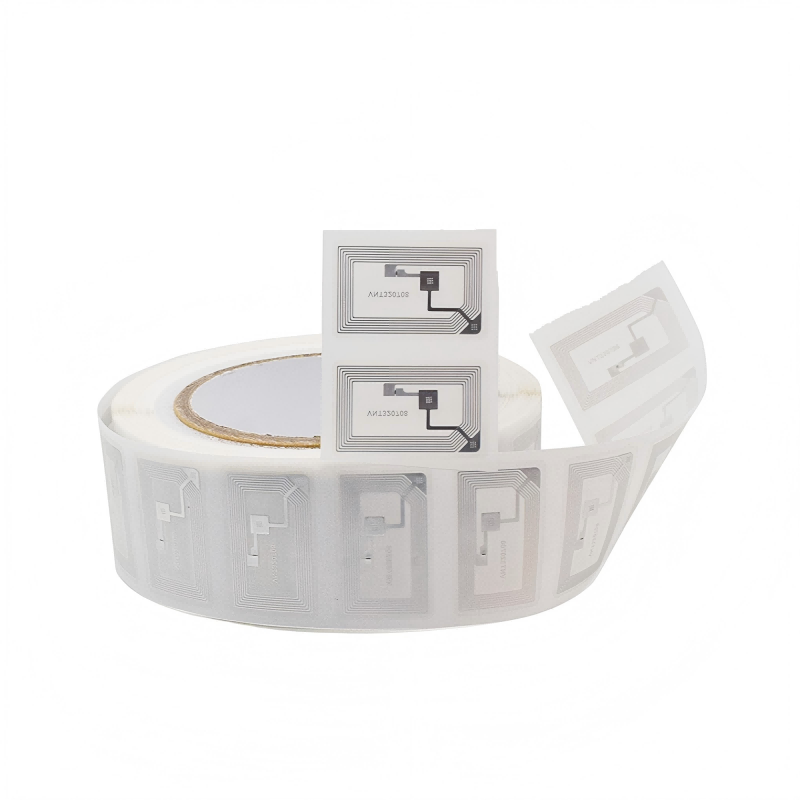
Uma nova geração de etiquetas RAIN RFID ultracompactas, como a VersaNano e outros inlays RFID UHF miniaturizados avançados, está trazendo inteligência em nível de item para produtos que antes eram considerados impossíveis de etiquetar. Através de engenharia de antena aprimorada, desempenho anti-interferência otimizado e formatos compactos, essas etiquetas permitem uma visibilidade precisa do estoque em cosméticos, joias, produtos de beleza e bens de consumo em miniatura.
Por que cosméticos e joias tradicionalmente são pontos cegos da RFID?
A implementação da tecnologia RFID tem sido extremamente bem-sucedida em vestuário, calçados e logística, pois esses produtos oferecem área de superfície suficiente e materiais relativamente compatíveis com radiofrequência. No entanto, cosméticos e joias apresentam diversos obstáculos técnicos.
Espaço limitado para colocação de etiquetas
Batons, lápis de olho, amostras de perfume, brincos, anéis e outros produtos pequenos geralmente deixam pouco espaço para etiquetas RFID padrão. Etiquetas RFID UHF Pode ser simplesmente grande demais para caber sem afetar a estética da embalagem ou a experiência do cliente.
Interferência de líquidos em produtos de beleza
Muitos cosméticos e fragrâncias contêm líquidos, géis, cremes ou fórmulas à base de álcool. Esses materiais absorvem energia de radiofrequência e podem reduzir significativamente o desempenho da leitura RFID se a etiqueta não for especificamente projetada para ambientes com óleos essenciais.
Interferência de metais em joias e acessórios
O metal reflete sinais de radiofrequência e pode dessintonizar antenas RFID convencionais. Isso torna produtos como joias, relógios, acessórios de moda e pequenos itens de ferragens particularmente desafiadores.
Requisitos de alta precisão de inventário
Produtos cosméticos e joias geralmente têm alto valor unitário e alta rotatividade de estoque. Mesmo pequenas discrepâncias no inventário podem levar a perdas significativas, rupturas de estoque ou problemas com furtos. Os varejistas exigem rastreamento em nível de item com altíssima precisão de leitura, em vez de simples visibilidade em nível de caixa.
A ascensão das etiquetas RAIN RFID ultracompactas
Os avanços recentes na engenharia de RFID possibilitaram o desenvolvimento de etiquetas RFID UHF ultracompactas, projetadas especificamente para produtos complexos. Essa evolução permite a implementação de RFID em produtos que anteriormente não podiam acomodar uma etiqueta. O resultado é uma verdadeira inteligência ao nível do item em categorias que antes eram inacessíveis aos sistemas RFID.
Como um design anti-interferência avançado faz a diferença
O sucesso das modernas etiquetas RFID em miniatura não se deve apenas à redução de tamanho. A principal inovação reside no melhor desempenho de radiofrequência em condições adversas.
Desempenho otimizado em líquidos
Os modernos inlays RFID podem ser projetados para minimizar a degradação do sinal quando colocados perto de produtos líquidos. Ao otimizar a geometria da antena e as características de sintonia, os fabricantes podem manter um desempenho de leitura confiável mesmo quando as etiquetas estão fixadas em: embalagens de perfume, frascos de cosméticos, recipientes para produtos de cuidados com a pele e kits de amostras de beleza. Isso permite que os varejistas rastreiem produtos individuais ao longo das operações de fabricação, armazenagem, distribuição e varejo.
Tolerância aprimorada a metais
Para joias e acessórios metálicos, designs de etiquetas avançados ajudam a mitigar os efeitos de desafinação causados por superfícies metálicas próximas. Embora cada aplicação exija testes, as etiquetas RFID miniaturizadas modernas podem alcançar um desempenho de leitura significativamente melhor do que as gerações anteriores quando aplicadas a: caixas de joias, embalagem de relógio, acessórios de metal e produtos de ferragens para shoppings. Isso expande a implementação da RFID para categorias de produtos que tradicionalmente eram excluídas dos sistemas de inventário digital.
Alta sensibilidade para formatos compactos
Historicamente, reduzir o tamanho das etiquetas muitas vezes significava sacrificar o alcance de leitura. Os chips RFID de nova geração oferecem sensibilidade muito maior, permitindo que antenas menores alcancem níveis de desempenho práticos. Isso possibilita que etiquetas ultracompactas mantenham a identificação confiável, mesmo em embalagens com design compacto.
Como escolher a etiqueta RFID certa para pequenos produtos de consumo
O sucesso da implementação de RFID depende da seleção do design de etiqueta apropriado para o ambiente do produto. Diversos fatores devem ser avaliados:
Materiais mistos
A composição do material afeta significativamente o desempenho da tecnologia RFID.
Área de etiquetagem disponível
Produtos pequenos exigem formatos de etiquetas compactos que se integrem naturalmente aos designs de embalagens ou rótulos.
Requisitos de distância de leitura
Aplicações como gestão de estoque no varejo, verificação em pontos de venda ou operações de armazém podem exigir características de desempenho de leitura diferentes.
Design de embalagens
A etiqueta RFID deve integrar-se perfeitamente sem comprometer a marca, a estética ou a experiência do cliente.
Testes Ambientais
Os testes em condições reais continuam sendo essenciais. Mesmo a etiqueta RFID mais avançada deve ser validada no produto real antes da implementação em larga escala.
O futuro da inteligência em nível de item
Com a evolução contínua da tecnologia RFID, a definição de "produtos etiquetáveis" está se expandindo rapidamente. Produtos que antes estavam fora do alcance dos sistemas RFID — como cosméticos de luxo, frascos de perfume, joias, acessórios de beleza e bens de consumo em miniatura — agora podem participar de ecossistemas de estoque totalmente digitalizados.
As etiquetas RAIN RFID ultracompactas estão ajudando as marcas a alcançar uma visibilidade de estoque sem precedentes, maior eficiência operacional e experiências aprimoradas para o cliente. Mais importante ainda, elas estão expandindo a inteligência em nível de item para categorias que antes eram consideradas pontos cegos da RFID. Para cosméticos, joias e outros produtos compactos de alto valor, chegou a era da visibilidade de estoque habilitada por RFID.


 Rede IPv6 suportada
Bate-papo agora
Digitalizar para Wechat :

Digitalizar para WhatsApp :

 CATEGORIAS DE PRODUTOS