Deixe um recado
Se você estiver interessado em nossos produtos e quiser saber mais detalhes, deixe uma mensagem aqui e responderemos o mais breve possível.

As bibliotecas gerenciam grandes acervos de livros, periódicos e itens de mídia, atendendo a muitos usuários diariamente. À medida que os acervos crescem e as expectativas dos usuários aumentam, as bibliotecas precisam de ferramentas mais eficientes para controle de estoque, circulação e segurança. A tecnologia RFID oferece uma solução eficaz para a gestão moderna de bibliotecas. Ao anexar etiquetas RFID aos livros e usar leitores nos pontos de atendimento, as bibliotecas podem automatizar os processos de empréstimo, devolução e inventário.
Desafios na gestão tradicional de bibliotecas
Gerenciar milhares ou até milhões de itens pode ser complexo. Sem sistemas automatizados de identificação, as bibliotecas enfrentam diversos desafios operacionais que afetam tanto a eficiência da equipe quanto a experiência do usuário.
Processos de check-in e check-out lentos
Os sistemas de código de barras exigem que cada livro seja escaneado individualmente. Quando vários usuários estão esperando no balcão, o processo se torna lento e ineficiente. Os sistemas RFID permitem a leitura de vários livros simultaneamente, o que agiliza bastante as operações de empréstimo e devolução.
Verificações de estoque demoradas
É necessário realizar verificações regulares de estoque para garantir que os livros estejam corretamente colocados nas prateleiras. Com sistemas de código de barras, os funcionários precisam retirar cada livro e escaneá-lo manualmente. Leitores portáteis de RFID podem escanear livros diretamente na prateleira, permitindo que a equipe realize auditorias de estoque muito mais rapidamente.
Itens extraviados ou perdidos
Às vezes, os livros são colocados nas prateleiras erradas ou movidos para seções diferentes. Quando isso acontece, eles ficam difíceis de encontrar. O rastreamento por RFID facilita a identificação de itens extraviados, pois os leitores conseguem detectar etiquetas próximas e guiar a equipe até o local correto.
Segurança e prevenção de roubos
As bibliotecas precisam de métodos confiáveis para evitar a remoção não autorizada de livros. As fitas de segurança tradicionais nem sempre fornecem um rastreamento preciso. Os portões de segurança RFID podem detectar itens etiquetados que saem da biblioteca sem o devido registro, ajudando a melhorar a proteção do acervo.
Como funciona a RFID em sistemas de bibliotecas
Os sistemas de biblioteca RFID utilizam etiquetas fixadas aos livros juntamente com leitores, antenas e software de gestão. Cada etiqueta RFID contém um identificador único associado ao item na base de dados da biblioteca.
Etiquetagem de itens da biblioteca
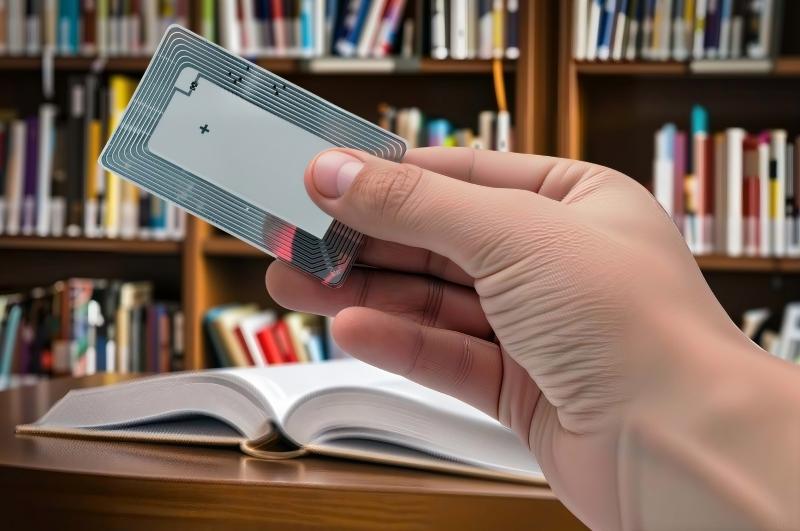
Pequenas etiquetas RFID são colocadas dentro de livros ou em outros itens de mídia. Essas etiquetas armazenam dados de identificação que permitem ao sistema reconhecer cada item automaticamente. Como as etiquetas são finas e flexíveis, podem ser facilmente integradas sem afetar a aparência do livro.
Circulação automatizada
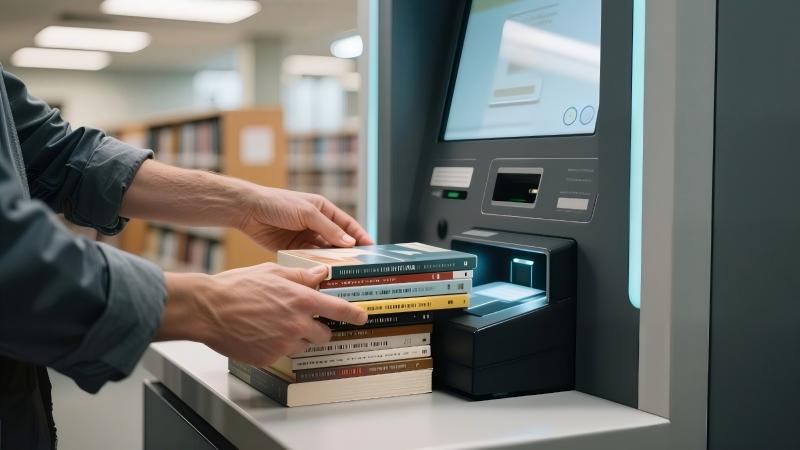
Quando os livros são colocados em um leitor RFID em um balcão de atendimento ou terminal de autoatendimento, o sistema lê as etiquetas instantaneamente e atualiza o banco de dados. Isso permite que os usuários retirem ou devolvam vários livros ao mesmo tempo.
Gestão de estoque e prateleiras
Leitores RFID portáteis podem escanear livros nas prateleiras sem precisar removê-los. Os funcionários podem identificar rapidamente itens faltantes ou fora do lugar e atualizar os registros de estoque em tempo real.
Aplicações típicas de RFID em bibliotecas
A tecnologia RFID oferece suporte a diversas funções nas operações da biblioteca. Essas aplicações trabalham em conjunto para melhorar a eficiência e a experiência do usuário.
Empréstimo e devolução em regime de autosserviço
Os totens de autoatendimento permitem que os usuários peguem livros emprestados e devolvam de forma independente. Ao colocar os livros na superfície de leitura, o sistema identifica automaticamente os itens e atualiza a conta. Isso reduz as filas nos balcões de atendimento e permite que a equipe se concentre na assistência e no suporte.
Gestão rápida de estoque
Os funcionários da biblioteca podem usar leitores RFID portáteis para escanear estantes inteiras em poucos minutos. O leitor detecta as etiquetas automaticamente e as compara com o banco de dados. Isso torna as verificações regulares de estoque mais rápidas e precisas.
Triagem e logística de livros
Grandes bibliotecas às vezes usam sistemas automatizados de triagem. Etiquetas RFID permitem que os livros sejam identificados rapidamente e direcionados para a caixa de devolução ou seção correta. Isso reduz o trabalho de triagem manual e aumenta a eficiência.
Monitoramento de segurança e saída
Os portões de segurança RFID instalados nas saídas da biblioteca detectam livros que não foram devidamente registrados. Se um item etiquetado passar pelo portão sem autorização, o sistema dispara um alerta. Isso ajuda a proteger coleções valiosas, mantendo uma experiência de usuário conveniente.
Etiquetas RFID recomendadas para gestão de bibliotecas
As bibliotecas precisam de etiquetas RFID confiáveis e duráveis que possam ser fixadas em livros e outros itens de mídia. A etiqueta ideal deve proporcionar um desempenho de leitura estável, mantendo-se discreta.
Etiquetas RFID para bibliotecas
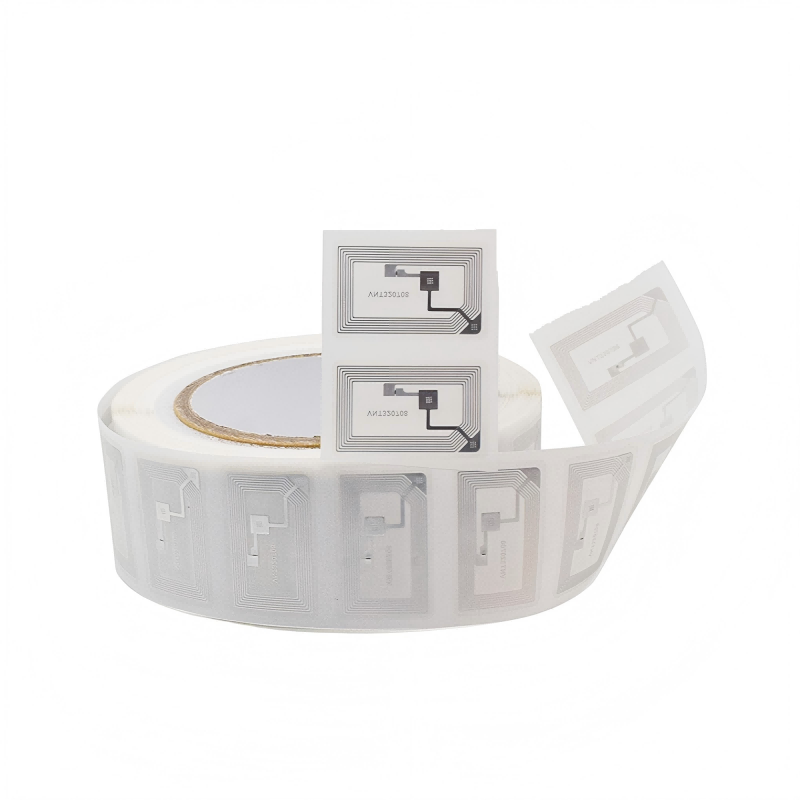
As etiquetas RFID para bibliotecas são especialmente concebidas para livros e materiais impressos. Estas etiquetas são finas, flexíveis e fáceis de colocar no interior da capa do livro. Eles proporcionam um desempenho de leitura confiável, permanecendo praticamente invisíveis para os usuários.
Etiquetas RFID de alta frequência são amplamente utilizadas em sistemas de bibliotecas porque permitem a identificação em curto alcance e o armazenamento seguro de dados. A tecnologia HF é compatível com a maioria dos leitores de bibliotecas e permite a identificação precisa dos livros durante os processos de circulação e inventário.
As etiquetas NFC são um tipo de RFID de alta frequência que pode interagir com smartphones e leitores modernos. Algumas bibliotecas usam NFC para oferecer suporte a aplicativos móveis ou serviços de biblioteca inteligentes. Isso permite que os usuários acessem informações adicionais ou interajam com serviços digitais.
Etiquetas RFID duráveis para mídia
Bibliotecas frequentemente gerenciam CDs, DVDs e outros itens de mídia. Etiquetas RFID duráveis, projetadas para esses materiais, oferecem desempenho confiável e resistem ao manuseio frequente. Eles ajudam a garantir a identificação consistente de itens que não sejam livros.
Como escolher a etiqueta RFID certa para bibliotecas
A escolha da etiqueta RFID correta é importante para o funcionamento estável e a confiabilidade a longo prazo. As bibliotecas devem considerar diversos fatores ao selecionar etiquetas para seus acervos.
Compatibilidade com sistemas de biblioteca
A etiqueta RFID deve ser compatível com a tecnologia de leitura utilizada no sistema da biblioteca. A maioria das bibliotecas utiliza frequência HF, portanto, as etiquetas devem atender a essa especificação.
Tamanho e posicionamento da etiqueta
As etiquetas para livros devem ser pequenas e flexíveis para que possam ser colocadas dentro das capas sem afetar a usabilidade. O posicionamento correto garante uma leitura estável.
Durabilidade para uso a longo prazo
Os livros podem circular por muitos anos e ser manuseados com frequência. As etiquetas RFID devem ser suficientemente resistentes para suportar o uso repetido.
Segurança e armazenamento de dados
Alguns sistemas de bibliotecas armazenam informações adicionais na etiqueta RFID. A escolha de etiquetas com memória e recursos de segurança adequados pode melhorar o desempenho do sistema.
Benefícios da RFID na gestão de bibliotecas
A tecnologia RFID ajuda as bibliotecas a operar com mais eficiência, ao mesmo tempo que melhora a experiência dos usuários. A identificação automatizada permite empréstimos e devoluções mais rápidos, o que reduz o tempo de espera e melhora a qualidade do serviço. A gestão de estoque torna-se significativamente mais fácil, pois os funcionários podem escanear as prateleiras rapidamente usando leitores portáteis. Isso reduz o tempo necessário para auditorias e ajuda a manter registros de catálogo precisos. A tecnologia RFID também melhora a segurança do acervo, detectando a remoção não autorizada de livros. Ao mesmo tempo, os sistemas de autoatendimento oferecem aos usuários mais flexibilidade e conveniência. Com a modernização contínua dos serviços das bibliotecas, a tecnologia RFID tornou-se importante para a construção de sistemas eficientes e fáceis de usar.
Conclusão
A tecnologia RFID oferece uma solução prática e confiável para a gestão moderna de bibliotecas. Ao utilizar etiquetas e tags RFID em livros e outros itens de mídia, as bibliotecas podem automatizar a circulação, melhorar a precisão do inventário e aumentar a segurança do acervo. Diferentes projetos podem exigir diferentes tipos de etiquetas, dependendo do design do sistema e dos materiais envolvidos. Selecionar a etiqueta RFID correta é essencial para um desempenho de leitura estável e operação a longo prazo.
Como fabricantes de etiquetas RFID, fornecemos diversos tipos de etiquetas RFID adequadas para sistemas de gestão de bibliotecas, ajudando integradores de sistemas e instituições a construir soluções de bibliotecas inteligentes eficientes e confiáveis.


 Rede IPv6 suportada
Bate-papo agora
Digitalizar para Wechat :

Digitalizar para WhatsApp :

 CATEGORIAS DE PRODUTOS