Deixe um recado
Se você estiver interessado em nossos produtos e quiser saber mais detalhes, deixe uma mensagem aqui e responderemos o mais breve possível.

Em setores onde a autenticidade do produto, a segurança dos ativos e a rastreabilidade são cruciais, as etiquetas RFID invioláveis desempenham um papel fundamental. Dentre todas as soluções de segurança contra adulteração, as etiquetas RFID antitransferência totalmente frágeis, com um processo de transferência especial, oferecem um dos mais altos níveis de proteção contra remoção e reutilização não autorizadas.
Este artigo explica exatamente o que é. Etiquetas RFID frágeis Este artigo explica como funciona o processo especial de transferência e por que essa tecnologia é recomendada para aplicações B2B de alta segurança, ajudando integradores de sistemas e proprietários de marcas a tomar decisões informadas.
O que é uma etiqueta RFID antitransferência totalmente frágil?
Uma etiqueta RFID totalmente frágil é uma etiqueta RFID de uso único, projetada para se autodestruir física e funcionalmente ao menor sinal de tentativa de remoção. Ao contrário dos adesivos RFID padrão, que priorizam a durabilidade, as etiquetas totalmente frágeis são projetadas especificamente para evitar adulteração.
Quando o rótulo é removido da superfície:
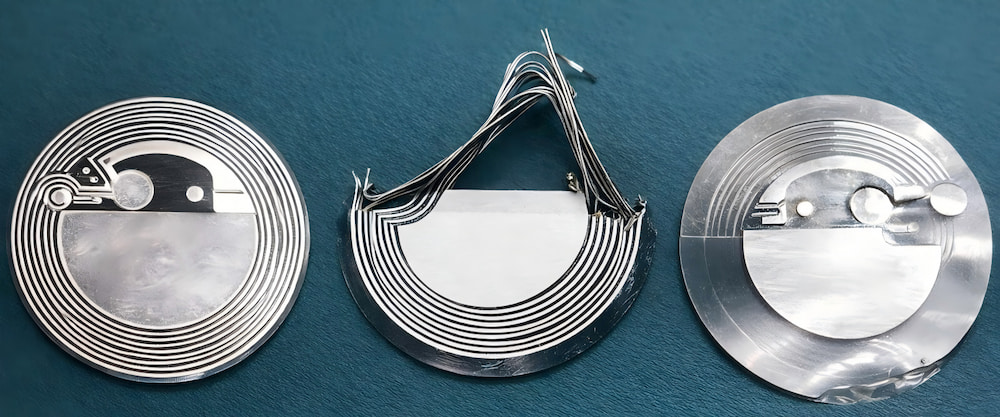
• A estrutura da antena se fragmenta
• A continuidade elétrica é perdida permanentemente.
• O chip RFID torna-se ilegível
• A etiqueta não pode ser transferida para outro produto.
Isso torna as etiquetas RFID totalmente frágeis particularmente adequadas para cenários de combate à falsificação, validação de garantia e identificação segura.
Por que as etiquetas RFID padrão não são adequadas para uso anti-transferência?
A maioria das etiquetas RFID convencionais é projetada para durabilidade e legibilidade a longo prazo, o que é ideal para logística e rastreamento de estoque, mas cria vulnerabilidades significativas em aplicações sensíveis à segurança. No uso prático, as etiquetas RFID padrão podem ser removidas sem danos visíveis, reaplicadas em outro produto e continuar funcionando normalmente após a remoção, permitindo sua reutilização para burlar verificações de autenticidade, validação de garantia ou sistemas de identificação de itens. Para casos de uso em que um item físico deve corresponder a uma identidade digital única, essas fragilidades inerentes tornam as etiquetas RFID padrão inadequadas.
Como funciona o processo de transferência especial
A principal diferença reside no processo especial de fabricação por transferência. Em etiquetas RFID totalmente frágeis, a camada de antena é colada principalmente à superfície alvo, e não ao material da face da etiqueta.
Consequentemente, quando se tenta a remoção:
• A antena permanece fixada à superfície
• O padrão condutor se rompe completamente
• O circuito RFID é destruído irreversivelmente.
Isso garante que a etiqueta não apenas apresente danos visuais, mas também falhe no nível funcional do RFID.
Por que “Totalmente Frágil” é tecnicamente importante
Algumas etiquetas ditas frágeis apenas apresentam rachaduras na camada superior, deixando a antena parcialmente intacta. Nesses casos, o chip RFID ainda pode responder, criando uma brecha de segurança.
Uma etiqueta RFID antitransferência totalmente frágil elimina esse risco, garantindo:
• Sem estrutura de antena recuperável
• Nenhuma resposta legível do RFID após adulteração
• Sem valor de uso secundário
Essa distinção é crucial para cadeias de suprimentos de alto risco.
Principais vantagens das etiquetas RFID antitransferência totalmente frágeis
Provas de adulteração irreversíveis
Uma vez removida, a etiqueta fica permanentemente danificada, fornecendo prova clara e imediata da interferência.
Prevenção eficaz da reutilização de rótulos
Como a antena é destruída, o UID RFID não pode ser reutilizado ou reatribuído em outro sistema.
Validação de segurança em nível de backend
A adulteração pode ser detectada automaticamente quando a etiqueta não responde, permitindo a invalidação ou o envio de alertas pelo sistema.
Compatibilidade com a infraestrutura RFID existente
Etiquetas RFID totalmente frágeis podem ser produzidas nos formatos HF ou UHF, permitindo uma integração perfeita com leitores e plataformas de gerenciamento existentes.
Cenários típicos de aplicação
Este tipo de etiqueta RFID é comumente usado em cenários onde a prevenção de transferência é mais importante do que a durabilidade, tais como:
• Antifalsificação de marca e autenticação de produtos
• Verificação de garantia e pós-venda
• Identificação de ativos de alto valor
• Rastreabilidade de componentes e eletrônicos
• Dispositivos médicos e produtos regulamentados
• Sistema de logística segura e controle de estoque
Nesses casos de uso, mesmo uma única transferência de etiqueta bem-sucedida pode comprometer todo o sistema.
Etiquetas RFID totalmente frágeis versus soluções RFID convencionais
Do ponto de vista prático, as etiquetas RFID totalmente frágeis diferem fundamentalmente das soluções padrão:
• São concebidos para utilização única e irreversível.
• Qualquer tentativa de remoção resulta em falha permanente do RFID.
• Danos visuais são acompanhados de destruição funcional.
• A segurança é aplicada tanto a nível físico como a nível de sistemas.
Para organizações focadas na proteção da marca e na conformidade a longo prazo, isso torna a tecnologia totalmente frágil uma escolha mais confiável.
Considerações de integração para integradores de sistemas
Ao implementar etiquetas RFID antitransferência totalmente frágeis, os integradores de sistemas devem considerar:
• Requisitos de material de superfície e adesão
• Compatibilidade de frequência e protocolo RFID
• Estratégia de serialização e codificação
• Condições ambientais durante a aplicação
• Lógica de backend para lidar com etiquetas adulteradas ou ilegíveis
Uma implementação bem projetada fortalece não apenas a segurança física, mas também a integridade dos dados e a confiabilidade do sistema.
Por que as etiquetas RFID antitransferência totalmente frágeis são a escolha preferida para identificação segura?
Com a crescente sofisticação das técnicas de falsificação e reutilização não autorizada, a destruição em nível de antena emergiu como um dos métodos mais eficazes de prevenção de adulteração. Etiquetas RFID antitransferência totalmente frágeis, fabricadas com processos de transferência especiais, oferecem segurança física e digital, tornando-as ideais para aplicações B2B de alta segurança.
Para marcas, fornecedores de sistemas e integradores de soluções, essa tecnologia reduz disputas, protege a propriedade intelectual e reforça a confiança em toda a cadeia de suprimentos.


 Rede IPv6 suportada
Bate-papo agora
Digitalizar para Wechat :

Digitalizar para WhatsApp :

 CATEGORIAS DE PRODUTOS