Em projetos industriais de RFID, os ativos metálicos representam um dos cenários de etiquetagem mais comuns — e mais desafiadores. Se as etiquetas RFID não forem projetadas especificamente para ambientes metálicos, o desempenho do sistema se tornará instável rapidamente.
Este artigo explica o que torna uma etiqueta RFID adequada para superfícies metálicas, as abordagens de design mais comuns e como selecionar a solução de etiquetagem RFID anti-metal ideal para aplicações industriais.
Desafios da etiquetagem RFID em ativos metálicos
As superfícies metálicas interagem fortemente com sinais de radiofrequência. Em ambientes industriais reais, isso acarreta diversos desafios:
• Reflexão e absorção de sinais de radiofrequência
• Desajuste da antena quando as etiquetas são montadas diretamente em metal
• Alcance de leitura inconsistente em diferentes formatos de ativos
• Variação de desempenho causada pelos métodos de instalação
Esses desafios não estão relacionados ao próprio chip RFID, mas sim ao design da etiqueta e às condições de montagem.
O que torna uma etiqueta RFID adequada para superfícies metálicas?
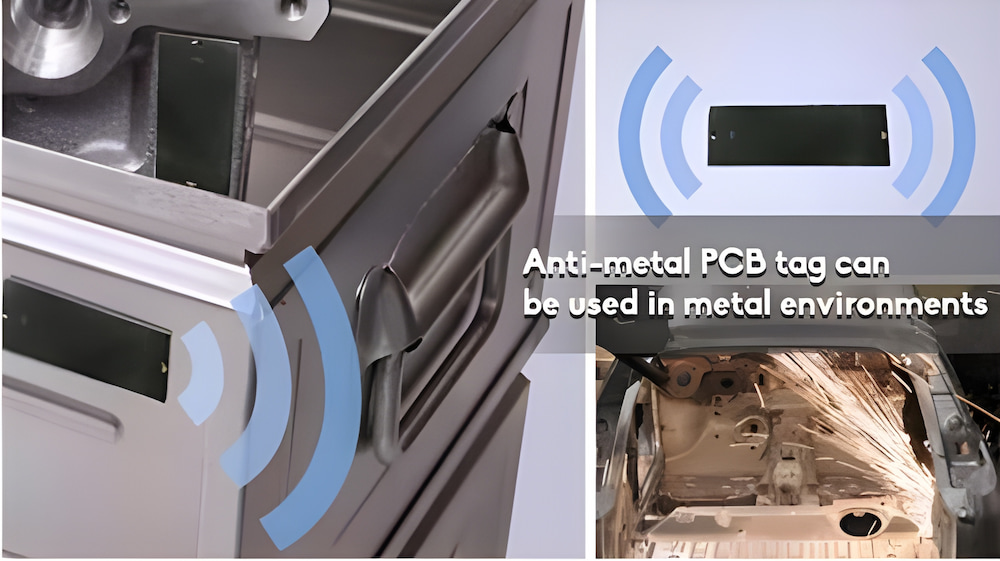
Um Etiqueta RFID anti-metal Não se trata de um único tipo de produto, mas sim de um conceito de design otimizado para ambientes metálicos.
As principais considerações de projeto incluem:
• Camada de isolamento: A separação física entre a antena e a superfície metálica impede a interferência do sinal.
• Estrutura e sintonia da antena: A antena deve ser ajustada para funcionar corretamente na presença de metal.
• Materiais de substrato: Os materiais comuns incluem PCBs, ferrite e camadas compostas, cada um adequado a diferentes ambientes.
Uma etiqueta RFID anti-metal bem projetada interage com a superfície metálica, em vez de ser afetada por ela.
Abordagens comuns para o design de etiquetas RFID anti-metal
Diferentes cenários industriais exigem diferentes projetos antimetal:
Etiquetas RFID anti-metal baseadas em PCB
• Perfil fino
• Desempenho de RF estável
• Adequado para ferramentas, ativos de TI e equipamentos
Etiquetas RFID robustas com revestimento rígido e proteção contra metais
• Resistente a impactos e à prova d'água
• Projetado para ambientes externos e severos
• Comum em logística e manufatura
Etiquetas resistentes a altas temperaturas ou produtos químicos
• Resistir ao calor, à pressão e a produtos químicos
• Utilizado na indústria pesada e na fabricação especializada
Estas são categorias de soluções, não produtos individuais.
Cenários típicos de aplicação industrial
Etiquetas RFID anti-metal são comumente usadas em:
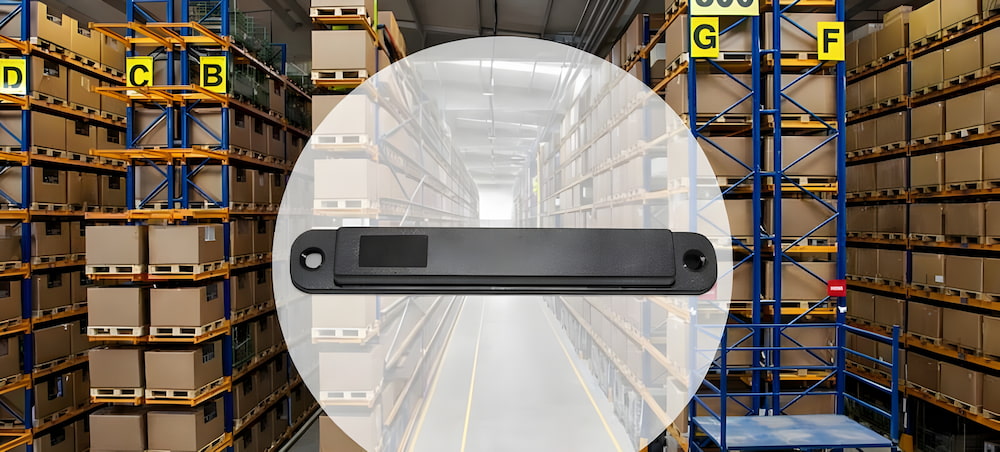
• Prateleiras e estantes metálicas para armazéns
• Equipamentos e ferramentas de fabricação
• Gabinetes de servidores e ativos de TI
• Contêineres e paletes de aço
• Instalações de energia e infraestrutura
Cada cenário pode exigir um formato, método de montagem e nível de durabilidade diferentes.
Principais fatores de seleção para projetos de RFID industrial
Em vez de comparar produtos específicos, os projetos de RFID industrial devem se concentrar nestes fatores de seleção:
• Condição do material e da superfície do ativo
• Distância de leitura e ângulo de leitura necessários
• Ambiente interno ou externo
• Método de montagem (parafuso, rebite, adesivo, abraçadeira)
• Exposição à temperatura, umidade e produtos químicos
• Vida útil esperada da etiqueta
Não existe uma etiqueta RFID anti-metal universal que sirva para todas as aplicações.
Erros comuns na etiquetagem RFID de metais
Com base na experiência real de projetos, os erros mais comuns incluem:
• Utilização de etiquetas RFID padrão em ativos metálicos
• Ignorar os métodos de instalação durante o projeto do sistema
• Testar etiquetas apenas em condições de laboratório
• Selecionar etiquetas com base no custo em vez da adequação à aplicação
Evitar esses erros desde o início pode reduzir significativamente o retrabalho do sistema e o risco operacional.
Por que a personalização é importante em projetos RFID em metal
Os projetos de RFID industrial frequentemente envolvem ativos e ambientes não padronizados.
A personalização pode incluir:
• Ajuste de antena para tamanhos específicos de ativos
• Seleção de materiais com base nas condições ambientais
• Testes de compatibilidade do leitor
• Formatos ou opções de montagem personalizados
É aqui que trabalhar diretamente com um fabricante de etiquetas RFID proporciona valor a longo prazo.
Perspectiva do fabricante: Apoio aos integradores de sistemas RFID
Do ponto de vista do fabricante, o suporte a projetos industriais de RFID vai além do fornecimento de etiquetas.
Inclui:
• Suporte para análise de aplicativos e seleção de tags
• Testes de amostra em ambientes reais
• Personalização OEM e ODM
• Qualidade consistente para implantação em larga escala
Entre em contato conosco para discutir suas necessidades de RFID para ativos metálicos e receber uma solução de etiquetagem personalizada.





 Rede IPv6 suportada